Translate

Tuesday, May 28, 2013

Dengue Fever ( Group 2 8D )

Group 2
Class VIII D
Members :
1. Ahmad Mirza Farhan
2. Arrauf Yusuf .B
3. Faiz Setia Rizcy .M
4. Niko Nugroho

Dengue Fever


1.       Definition
Dengue fever (DB) is an acute febrile disease caused by the dengue virus, which enters the human bloodstream through the bite of mosquitoes of the genus Aedes, such as Aedes aegypti or Aedes albopictus. There are four different types of dengue virus, but relate closely, which can cause dengue fever. Dengue virus is a virus of the genus Flavivirus, family Flaviviridae. Of dengue fever are found in tropical and subtropical regions around the world, especially in the humid rainy season. The World Health Organization (WHO) estimates that each year there are 50-100 million cases of dengue infection worldwide.

2.       Symptomps
1.       Sudden high fever 2-7 days (38-40 degrees Celsius). This causes headaches in people.
2.       Fever without coughing., Abdominal pain or nausea. Body aching or pain in the joints.
3.       On examination torniquet test, it appears the larvae (puspura) bleeding.
4.       Is enlarged liver (Hepatomegaly).
5.       Blood pressure decreases, causing shock.
6.       In laboratory tests (blood) day to 3-7 a decline in platelets below 100,000  mm3 (thrombocytopenia), an increase in hematocrit values ​​above 20% of the normal value (hemoconcentration).
7.       The emergence of several clinical symptoms that accompany such as nausea, vomiting, loss of appetite (anorexia), abdominal pain, diarrhea, chills, cramps and headaches.
8.       Bleeding at the nose (nosebleeds) and gums.
9.       The fever felt sore sufferers causing complaints / pain in the joints.
10.   Emergence red spots on the skin caused by ruptured blood vessels.

3.       Incubation Period
Has a maximum incubation period of  3-15 days

4.       Duration of Sickness
Have a maximum duration of 7-14 days

5.       Healing Characteristics            
Patient's general condition improved, appetite recovered, hemodynamic (blood circulation) is stable and diuresis (urinary frequency) improved and will be back to normal. And at this time would be much better if the patient is given good nutrition to improve the situation as well as increased levels rather than platelet count.

6.       Preventive Actions
    
Environment

Prevention of dengue fever can be done by controlling the mosquito vector, among others, with the bathtub drain / water storage at least once a week, replace / drain vases and bird watering once a week, tightly closed water reservoirs, buried cans, used batteries and tires around the house, home design and improvement.

                Biological

Biologically, the vector mosquitoes carrying the dengue virus can be controlled using larvae-eating fish and bacteria.

                Chemical

Fumigation (fogging) can kill adult mosquitoes, while giving abate powder shelters in water to kill mosquito larvae. Moreover, it can also be used larvacide.


7.       Medications
               
Until now there is no specific cure for dengue fever. Many people who recover from the disease within a period of 2 weeks. Actions common treatments in patients with dengue fever is less severe body fluids (through drink or electrolyte) to prevent dehydration from fever and vomiting, consumption of medicines that contain acetaminophen (eg tilenol) to relieve pain and reduce fever and plenty of rest. Aspirin and nonsteroidal anti-inflammatory drugs such as ibuprofen and naproxen sodium can actually increase the risk of bleeding. For patients with more severe dengue, it is advisable to undergo inpatient care in hospitals, infusion and electrolytes to replace body fluids and blood transfusion because of bleeding that occurs.

Pangandaran Beach ( Group 1 8D )


Group 1
Class VIII D
Members :

1. Ahmad Mirza Farhan
2. Amelia Syahida
3. Fatiha Nuur Fath
4. Muhamad Taufiqul Umam
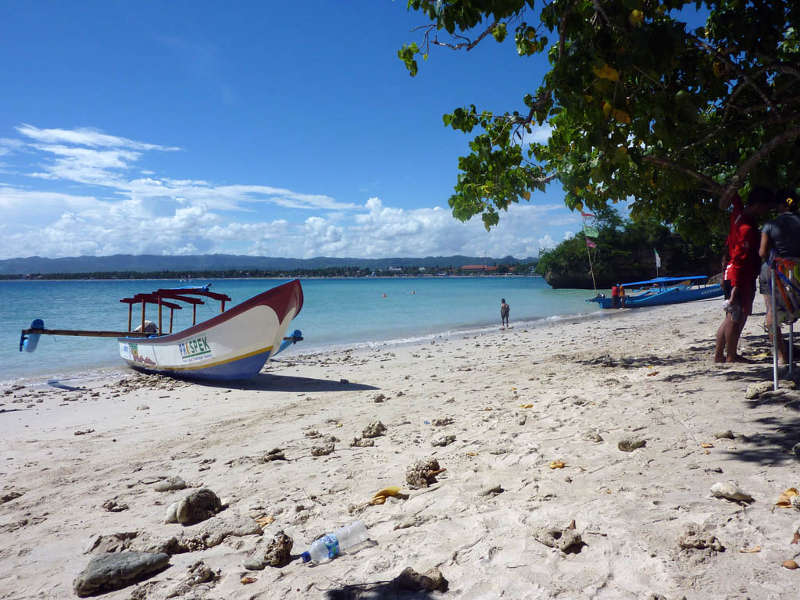
Pangandaran Beach


Location:
               
                Beautiful Pangandaran Beach is a mainstay attraction Ciamis district located east west Java, exactly in the Village District Pananjung Pangandaran Ciamis district of West Java Province. This beach was named the best beach on the island of Java, according to AsiaRooms. In addition to its beautiful beaches, Pangandaran beach also has some other features.

                
Pros :

1. Can see the sunrise and sunsets from the same place.
2. Sloping beaches with clear water and the distance between the ups and downs are relatively long to allow us to swim safely. 3. There are beaches with white sand.
4. Having a beach rescue.
5. The road is paved smooth environment with adequate street lighting.
6. There is a marine park with fish and fascinating marine life.
7. The landing of the Japanese army during World War II, therefore there still are some caves the Japanese army's defense used to be hideouts Japanese soldiers who intend to attack the Dutch army.

Facilities :
1. The parking lot is quite large.
2. Hotel, restaurant, inn, cottage variable rate.
3. Postal services, telecommunications and money changer.
4. Cinemas, discotheques.
5. Guides and Tourist Information Center. 
6. Caravan site. 
7. Pools rented bikes and tires.
8. Parasailing and jetski.

Hotel : 

1. Surya Kencana Seaside Hotel Pangandaran
2. Hotel Blue Sea
3. Pantai Indah Resort & Hotel Pangandaran
4. Sunrise Beach Pangandaran Hotel
5. Surya Charm Beach Hotel Pangandaran
6. PURI Rengganis
7. Mustika Ratu Hotel
8. Century Hotel

Disadvantages :

ACCESSIBILITY.  The road to Pangandaran from various cities in Java and roads to many sights almost entirely bad condition, broken and very uncomfortable. 

CLEANLINESS.  West Coast (Pananjung) which is the belle of the beach in Pangandaran conditions are very slovenly, dirty, full of trash and odors. East Coast is equally dirty, so the pleasures waiting for sunrise to be severely disrupted. This defilement seems to have become 'icon' for Pangandaran because tourism objects, almost all of the conditions are dirty and disgusting. Rinse and changing facilities are also very dirty and unkempt.


 DANGEROUS.
                Too many boats going back and forth on the West Coast (Pananjung) very disturbing enjoyment of water play, even dangerous. Why are these boats are not allocated separately from the tourists play. Even when Snorkling at White Sands as well, the boats back and forth and very dangerous to swimmers.

Website :

1. West coast (Pananjung),
2. White sand,
3. Forest Preserve,
4. East coast,
5. Beach Batu Hiu,
6. Beach Batu Karas,
7. Green Canyon,
8. Citumang,
9. Coral Coast Nini, and other locations.

Sunday, May 19, 2013

Diarrhea ( Group 7 8D )


 8D
Group 7
Members:
- Benita Nur Fajriyah
- Jalu Hadi Kuncoro
- Nurul Dinan Hanifah
- Reza Oktavianingsih
DIARRHEA
Diarrhea is a disease in which the stool or feces turns into mushy or liquid that usually occurs at least three times in 24 hours.
https://encrypted-tbn2.gstatic.com/images?q=tbn:ANd9GcRFXq_dgwS2M6bGIrwZB_2_jZ6fE8WQ-KlLZL6Po-D6ZK-4sNc6
Symptoms are usually found is defecate constantly accompanied by prolonged heartburn, dehydration, nausea and vomiting. But other symptoms that can arise include stiffness in the back, and belly rings often.
        The period from the entry of germs into the body until the onset of symptoms or the so-called incubation period varies depending on the types of germs cause. Shigella, for example, has an incubation period of 16 to 72 hours, while the incubation period ranges from 4 to 48 hours. while parasites generally have a longer incubation period, such as Giardia, for example, has an incubation period of between 1 to 3 weeks.
        Duration of sickness also depends on the types of germs cause. In mild diarrhea caused by viruses generally last for a few days in which children require only minor treatment such as rest and adequate fluid administration.
Recuperation characteristics are no longer feel upset stomach, heartburn and excessive defecation.
Because the hand is one part of the body most often in direct contact with other objects, then before eating is recommended to wash hands with soap. A Cochrane study found that the social movements and community organizations committed to hand washing causes a significant decrease in the incidence of diarrhea.
Medications :
       Modern:
ORS and zinc tablets are the treatment of choice and have been estimated to have saved 50 million children in 25 years.
       Traditional:
The treatment for diarrhea involves the patient consuming adequate amounts of water to replace lost, preferably mixed with electrolytes to provide essential salts and some amount of nutrients.
`


Tuesday, April 16, 2013

Parangtritis Beach


Group 6 ( 8B)

Members:

  •  Andre Septian
  • Dede Kurniawan
  • M.Syamsudin
  • Tyas Intani

Parangtritis Beach


History
That said, there is an runaway from the kingdom of Majapahit named Dipokusumo are doing meditation in the region. When he was meditated, he saw there was water dripping from the crevices of the rock, the reef in the Java language can be specified with a "parang" and the water droplets can be called by the word "tumatitis", so the name was born as the area Parangtritis means the water that drips from the rock.
As well as a place of recreation, Parangtritis is also a sacred place. Many visitors who come to meditate. This beach is one place to do Labuhan ceremony of Sultan of Jogjakarta.

Location
Parangtritis tourist area is located in the village of Parangtritis, District Kretek, Bantul, Jogjakarta, around 27 miles south of the city of Jogjakarta with a relatively flat so it is easy to achieve. The pathway is a straight line Jogjakarta - Road Parangtritis - Kretek - Parangtritis. This pathway is the main route usually used tourists as well as the community at large.
Scenery
This beach has sand that is very abundant in large areas forming small hills with few trees, this unique only in Jogja Parangtritis and is recognized around the world.
we can also slightly up to a small hill located on the north side Parangtritis. There are many available small stalls that offer stunning beach views from the top of the hill. While enjoying a coconut and light snacks typical, we can feel a strong breeze blows while watching the scenery along Parangtritis seen all of the top of that hill.

Myth

The community believes that Parangtritis is part of the territory of the South queen known as Nyai Roro Kidul. according, a growing myth, the Nyai Roro Kidul loves the objects that have a green color, therefore for tourists visiting Yogyakarta Parangtritis, sometimes there is a talk or a suggestion as to not wear green clothes, because they worried when someone wearing a green shirt or clothes, they could be favored by the Nyai Roro Kidul and towed to sea to join the army soldiers of  Nyai.

Among the local people, events such as the loss of a mysterious deaths there is no cause, reinforce the myth that the sea authorities, commonly called Nyi Roro Kidul (Queen of the South Coast), like "eliminate" people who do not heed the rules of nature. From the scientific side, such incidents further strengthen the theory that the ocean trench south of Java is loaded undercurrent moving. Any item waves swept from the beach, dragged down and stranded in different locations.


Travel Tickets and Travel Facilities
  • Travel Tickets Parangtritis Jogja

Entrance ticket a tourist area Parangtritis Jogja is only Rp. 3000, - per person plus insurance costs Rp. 250, - per person. Then levies for motorcycles Rp. 500, -, car Rp. 1000, - and tour buses Rp. 2000, -.
  •  Travel Facilities Parangtritis Jogja

• The inn
• Craft Stores
• Grocery store
• Land parking area
• snack shop
• horse and buggy rental Rp. 20,000
• Car rental ATV Rp 50,000 - Rp 100,000
• Uniqueness Parangtritis Jogja Travel


Suggestion
Despite of all the myths that exist, tourists Parangtritis visitors should prepare and always be careful, because the waves on the beach is arguably very large, and the visitors are not allowed to take a bath in this beach because the beach landscape is very steep and very dangerous. Advised travelers to follow the warnings and rules by the coastguard because so far there has been any loss of life  ripped due to malignancy beach waves and non-compliance of the visitors.

Download Version Microsoft : Click Here

Monday, April 15, 2013

Group 3 VIII D
Agis Ladera
Amirah Yowanda
Juan Amarda
M. Taufiqul Umam
Tuberculosis


Definition
Tuberculosis, MTB, or TB (short for tubercle bacillus) is a common, and in many cases lethal, infectious disease caused by various strains of mycobacteria, usually Mycobacterium tuberculosis. Tuberculosis typically attacks the lungs, but can also affect other parts of the body. It is spread through the air when people who have an active TB infection cough, sneeze, or otherwise transmit their saliva through the air. Most infections are asymptomatic and latent, but about one in ten latent infections eventually progresses to active disease which if left untreated, kills more than 50% of those so infected.
Symptoms
active TB infection are a chronic cough with blood-tinged sputum, fever, night sweats, and weight loss. Infection of other organs causes a wide range of symptoms. Diagnosis of active TB relies on radiology (commonly chest X-rays), as well as microscopic examination and microbiological culture of body fluids.
Prevention
Tuberculosis prevention and control efforts primarily rely on the vaccination of infants and the detection and appropriate treatment of active cases. The World Health Organization has achieved some success with improved treatment regimens, and a small decrease in case numbers.
Medication
Medications are the cornerstone of tuberculosis treatment. But treating TB takes much longer than treating other types of bacterial infections. With tuberculosis, you must take antibiotics for at least six to nine months. The exact drugs and length of treatment depend on your age, overall health, possible drug resistance, the form of TB (latent or active) and the infection's location in the body.
in keeping latent TB from becoming active TB. With the shorter course of treatment, people are more likely to take all their medication and the risk of side effects is lessened.
incubation period
The length of TB incubation varies depending on individual risk factors. Within six weeks of being exposed, an infected person develops a primary infection in the lungs, which may have no symptoms. The disease then enters a dormant phase that can last weeks to years.
Duration of sickness
It is a long time before it shows itself after implantation and frequently it develops even to the stage of breaking down without manifesting many symptoms. . The average duration of tuberculosis from the time of implantation to the fatal termination, when it terminates fatally, is about ten years. The severe symptoms often last from six months to two years. The dying period is usually about two months. Tuberculosis a Curable Disease.—Tuberculosis is a curable disease
Recuperation characteristics
With the very best treatment recovery from tuberculosis is a very slow process. The time which it takes for recovery depends upon the advancement of the disease, the amount of tissue involved and the amount of tissue destroyed. When a patient comes under treatment very early he may recover in six months and when he comes under treatment very late if he recovers at all it may take him from six to ten years. After a great deal of tissue has been destroyed recovery never again becomes complete in the sense that the person is as well as he was before he took sick.


Sunday, April 14, 2013

Bunaken Beach 8C

BUNAKEN BEACH


Member :
  Ahmad Mustain A
Fazriyah Mawdah
Paksi Brigantara
VIIIC


Bunaken National Park
The Bunaken National Park is a marine park in the north of Sulawesi island, Indonesia. The park is located near the centre of the Coral Triangle, providing habitat to 390 species of coral[as well as many fish, mollusc, reptile and marine mammal species. The Park is representative of Indonesian tropical water ecosystems, consisting of seagrass plain, coral reef, and coastal ecosystems. It was established as a national park in 1991 and is among the first of Indonesia's growing system of marine parks The remaining 3% of the park is terrestrial, including the five islands of Bunaken, Manado Tua, Mantehage, Nain and Siladen
Geology
North Sulawesi is considered to be a 'young' formation, of 5-24
million years of age. The region has undergone explosive volcanism 1.5-5 million years ago, which resulted in the volcanic tuff that characterizes the existing topography. Manado Tua is an inactive volcano formed in a classical cone shape and rising over 600 m above sea level, the highest elevation in the park. Bunaken Island also has volcanic origins with a significant amount of uplifted fossil coral. Nain Island is also a dome-shaped island, 139m in height. Mantehage Island is relatively flat and seems to be sinking into the sea. The island has extensive mangrove forest flats, partially separated by saltwater channels.
Siladen is a low-lying coral sand island with no significant topography. Arakan-Wawontulap and Molas-Wori on the mainland of North Sulawesi are relatively flat areas at the base of volcanic hills. The absence of a continental shelf allows the coastal area of the park to drop directly down the continental slope. The sea depth between the islands of the park is 200 to 1,840 metres
Flora and fauna
A very rich coral ecosystem covers most of Bunaken National Park, dominated by fringing reef and barrier reef corals. There are about 390 species of coral recorded in the waters of the Park. A distinct feature is a 25-50 metre vertical coral wall which is inhabited by 13 coral genus. The seaweeds that can be found here include Caulerpa, Halimeda, and Padina species, while the dominant seagrasses
, in particular in the islands of Montehage and Nain, are Thalassia     hemprichii, Enhallus acoroides, and Thalassodendron ciliatum. The park is also abundant in different species of fish, marine mammals and reptiles, birds, molluscs and mangrove species
About 90 species of fish live in the waters of the park, among them being the Emperor Angelfish, Almaco Jack, Spotted Seahorse, Bluestripe Snapper, Pinkish Basslet and Two-lined monocle bream. The species of mollusc include the Giant Clam, Horned Helmet Shells, Chambered Nautilus, and ascidians.[
It is claimed that this park has seven times more genera of coral than Hawaii, and more than 70% of all the known fish species of the Indo-Western Pacific.
On land, the islands are rich in species of palm, sago, woka, silar and coconut
This forest is also rich in species of crab, lobster, mollusc, and sea birds such as gulls, herons, sea doves, and storks.
Conservation and threats
Bunaken National Park was formally established in 1991 and is among the first of Indonesia's marine parks. In 2005 Indonesia submitted an application to UNESCO for including the park on the World Heritage List. Despite its national park status and significant funding, the park has suffered a slow, continuous degradation due to a number of threats including coral mining, anchor damage, blast fishing, cyanide fishing, diving, and trash. The World Wildlife Fund provides conservation support in the National Park as part of the Sulu Sulawesi Marine Eco-region Action Plan. This includes participatory enforcement and patrol, which resulted in significant reduction of blast fishing.


Friday, April 12, 2013


KELOMPOK 3 :
1.       Bella Nopita Aprianti(05)
2.       Camelia Ratna Dewi Utari(07)
3.       Muhammad Priyotama (18)
4.       Naufal Hilmi (19)


The legend of tukmudal

One day, there was a couple who named lily and Narto. they both lived in a village called village talun, but because they both often steal them both plants citizens finally expelled by the local people. since they were expelled from the village talun, they do not know will stay where it is.
one day they suddenly lost their entry into the forest in which there is an empty house and wells that do not have a lot of water. and at that time they thought to live at home vacant for a while, because they have not found a new place to live. during their stay in the house they do not feel a lack of water. until one day they saw the well had run out of water and the well was dry. they think to dig the well deeper, they dig up in the well, deep, and very deep. they were surprised to see the water in the well, the water turns in it very, very much. so much water in the well, the water is overflowing out of the well. they are both very, very surprised to see the water, they are still living in the empty house. they were not aware that it is very much water can drown them both. they end up trapped between the flood water wells, because they can not swim they can only be a state of surrender. Narto until lilies and died.
until one day lilies and Narto body was found by local people. and at that point the forest was now used as residential space. settlement is called "TUKMUDAL" meaning wells have plenty of water